


The head of the United Nations Development Programme (UNDP) has called for concerted efforts to combat poaching and the trafficking of wildlife, a vice she said was fuelling corruption and conflict, destroying lives, and deepening poverty and inequality.
“If not addressed decisively, illicit poaching and wildlife trade will have a significant economic impact too,” Helen Clark, the UNDP Administrator, said in an op-ed, published in the 27 April issue of the London-based The Independent newspaper.
She stressed that the illegal trade in wildlife and their products was a human development and a sustainable development issue.
In Kenya for example, wildlife tourism attracts more than one million tourists per year, generating over 12 per cent of the country’s Gross Domestic Product (GDP) and directly employing more than a quarter of a million Kenyans, she noted.
“Wild animals should be worth more alive to the local communities around them than they are when dead at the poacher’s hands. The challenge is to ensure that their value is felt by the majority, and not simply squandered by a few,” said Ms Clark.
She pointed out that trafficking in wildlife products was a multi-billion dollar trade conducted by powerful international crime syndicates with links across the globe.
“It can only be combatted through co-operation on a similar scale. Elephant tusks, rhinoceros horns, and other spoils of the war against wildlife are passing through ports around the Indian Ocean to markets in east and south-east Asia.
“One new initiative we have with partners is a ‘ports of excellence’ project, which aims at tackling the trafficking at ports between Africa, the Middle East, and Asia. South-South Co-operation can play a vital role in this,” she said.
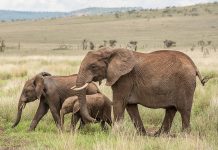
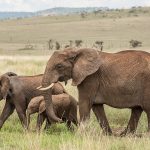
Ms. Clark said she will be in Kenya on April 29-30 to join African presidents, other senior representatives of several countries, philanthropists and business leaders at the Giants Club Summit, which will endeavour to come up with concrete measures for the frontline protection of Africa’s elephants, their habitats, and the local communities.
“Combating the illegal wildlife trade is central to making progress on the new 2030 Agenda for Sustainable Development and the SDGs [Sustainable Development Goals]. Let us be sure that we look back on this moment in time that we know we acted when we could and as much as we could, before it was too late for Africa’s wildlife,” she added.