





One of the resolutions passed by the world’s environment ministers at the end of the second session of the United Nations Environment Assembly (UNEA-2) in Nairobi last week urges States to take further steps to prevent, combat and eradicate the supply, transit and demand related to the illegal trade in wildlife and wildlife products.
The resolution calls for the implementation of strategies and action plans, strengthening governance systems on issues such as anti-corruption and anti-money-laundering, supporting the International Consortium on Combating Wildlife Crime and the African Elephant Fund, and developing sustainable and alternative livelihoods for communities affected by the illegal trade in wildlife.
The UN Environment Programme (UNEP) and its partners, backed by celebrities such as Gisele Bündchen, Neymar Jr. and others, also launched a new campaign, Wild For Life, to engage the public across the world to end illegal trade in wildlife. Angola, which is hosting World Environment Day on 5 June, will make new commitments to combat the trade, particularly in ivory.
The ministers, at the close of UNEA-2 late on Friday, also passed other far-reaching decisions on issues such as marine litter, air pollution, chemicals and waste, and sustainable consumption and production, which are an integral part of the global action needed to implement the 2030 Agenda for Sustainable Development and the Paris Climate Agreement.
“The environment has always been, and will always be, at the heart of humanity’s prosperity,” said Achim Steiner, UNEP Executive Director.
“In the decisions made here at this assembly for the environment, we see a significant directional shift that will inform ministers’ decisions in their home countries. We will now need to see the bold and decisive commitment observed at UNEA transmitted at the national level to drive forward the 2030 Agenda and ensure a brighter future for people and planet.”
With the Paris Agreement one the most significant environmental agreements in recent decades, UNEA agreed that UNEP should accelerate support to countries, especially developing countries, to build national readiness capacity to implement the Agreement, build implementation capability and capacity to access finance and technology.
On marine litter, member states resolved to encourage product manufacturers and others to consider the lifecycle environmental impacts of products containing microbeads and compostable polymers, including possible downstream impacts.
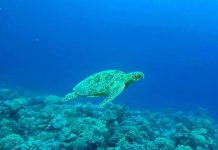
It is estimated that there are 5.2 trillion pieces of plastic floating in oceans, harming both the marine environment and biodiversity.
Delegates also sought the assistance of UNEP to assess the effectiveness of governance strategies to combat marine plastic litter and microplastics, and identify how to address gaps. They asked UNEP to help develop and implement national and regional action plans to target marine litter, with emphasis on those regions that are the largest sources.
Al passed were resolutions on food waste and sustainable consumption and production, which both impacts on the 2030 Agenda and Paris Agreement in terms of increasing emissions and resource use and holding back efforts to reduce hunger.