


In a major boost to global efforts to fight wildlife crime, graft and illicit financial flows from the vice were on the agenda during the 17th International Anti-Corruption Conference (IACC) in Panama City in early December.
A series of steps to help tackle wildlife crime were identified at the workshop, the first time the issue was part of the official agenda of IACC, the wildlife trade monitoring network, TRAFFIC, reported in a press release. Entitled Shared planet, shared responsibility: creating multi-stakeholder alliances to combat wildlife, forest and fisheries crime, the event was a collaborative initiative, involving 11 partners including TRAFFIC and co-ordinated by WWF under the auspices of the 3C Network for Countering Conservation-related Corruption.
The session discussed how corruption occurs at every stage of living natural resource value chains and looked at the role of both grand and petty corruption in enabling wildlife, forest and fisheries crime. It highlighted how illicit financial flows associated with wildlife crime exacerbate poverty and economic disparities, and undermine resource management plans and legal trade regimes, threatening food security and the economic, environmental and social pillars of sustainable development.
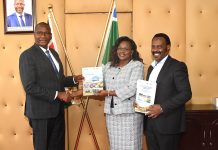
“This meeting highlights the growing international recognition that wildlife crime is not simply an environmental matter — it carries with it all the trappings of serious, organized crime and needs to be dealt with accordingly,” said TRAFFIC’s Wildlife TRAPS Project Leader, Nick Ahlers. “Political corruption and systemic governmental corruption are pervasive facilitators of wildlife and fisheries crime, providing the enabling environment for supply chain corruption,” said Robert Barrington, CEO, Transparency International – UK. Greater collaboration was the key recommendation of the workshop and its high level panel, including Mrs Dorcas Agik Oduor, Kenya’s Deputy Director Public Prosecutions.
The workshop outcomes recommended that anti-corruption, financial and conservation communities must join forces to deepen understanding of what types of corruption occur where and how, and the links between wildlife crime, illicit financial flows and associated financial crime.
The conservation community could contribute to efforts in the private sector, including financial institutions, to address wildlife crime through development of due diligence procedures ensuring supply chain integrity, and in development of guidelines for the financial sector to link financial crime to wildlife crime, including prioritising financial analysis associated with wildlife crime. Also raised was the question of an International Convention compelling countries to lift the corporate veil over beneficial ownership, thereby making it harder for criminal and corrupt behaviour to evade international legal obligations pertaining to human rights and environmental crimes.