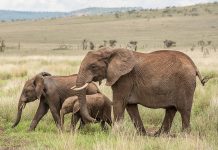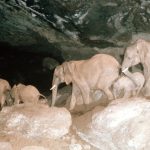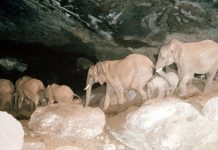



Nairobi, Sept 24 (Swara) — Mount Elgon’s elephants, already known for venturing deep into caves to mine mineral-rich rock, may have another unusual relationship with their environment: selecting particular plants when unwell and, in some cases, mothers administering plant material to their calves.
A new study published in Scientific Reports documents observations by local ethnic Sabaot experts indicating that some of the plants elephants consume may have medicinal properties. The researchers describe the behaviour as “putative self-medication”—a possibility that now requires further investigation through direct observation and pharmacological testing.
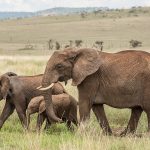
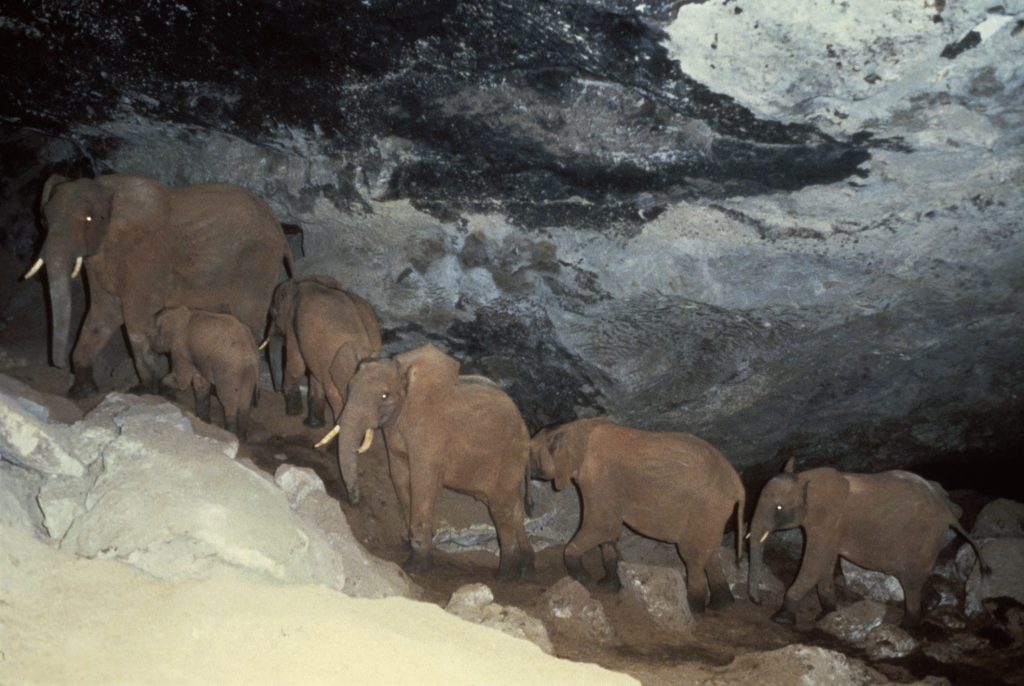
Mount Elgon’s elephants inhabit the high-altitude forests and slopes of the extinct volcano on the Kenya–Uganda border. Their practice of entering caves and using their tusks to extract mineral-rich rock has long distinguished the population from other African elephants.
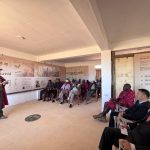
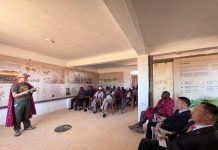
The new research brings together decades of observations by eight Sabaot experts with botanical and ethnomedicinal information. The researchers documented 35 plant species and four types of soil, minerals or clay reported to be consumed by elephants. Of the plants, 34 were identified by the local experts as having traditional medicinal uses among people, while 25 were perceived to have a medicinal function for elephants.
Eight plant species had the strongest indications of possible medicinal use. Local experts associated these plants with particular perceived therapeutic purposes in sick or vulnerable elephants, or reported seeing mothers administer plant material to their offspring.
The findings also point to possible overlap between traditional human knowledge and elephant behaviour. Of the 10 plant species most frequently cited by the eight experts, nine had previously been reported in scientific literature as having pharmacological activity.
The researchers emphasise, however, that the study does not establish that the plants have therapeutic effects in elephants. Rather, the observations give leads for further research into which plants elephants select, under what circumstances and whether the compounds they contain have measurable medicinal effects.
Lead author Dr Fabien Schultz said the findings show the close relationship between Mount Elgon’s plant life and the health of both elephants and local communities.
“Reports that elephants use some of the same plants that local communities use in traditional medicine make protecting these habitats a One Health issue,” he said. Future research, he added, will investigate how such behaviours are learned or socially transmitted and identify plants and locations that may be particularly important to protect.
The study additionally highlights the contribution of local ecological knowledge to understanding elephant behaviour.
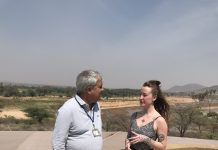
Kennedy Ngityo Chemoywo, one of the Sabaot experts involved in the research, said local people have observed the mountain’s wildlife for generations.
“We have watched elephants since childhood,” he said. “We know where they travel, how they behave and even the plants they choose when they are unwell.”
Christopher Powles, Chair of the Mount Elgon Foundation and a co-author of the study, said the research gave a glimpse into the complexity of the elephants’ lives while supporting the importance of protecting the landscape they depend on.
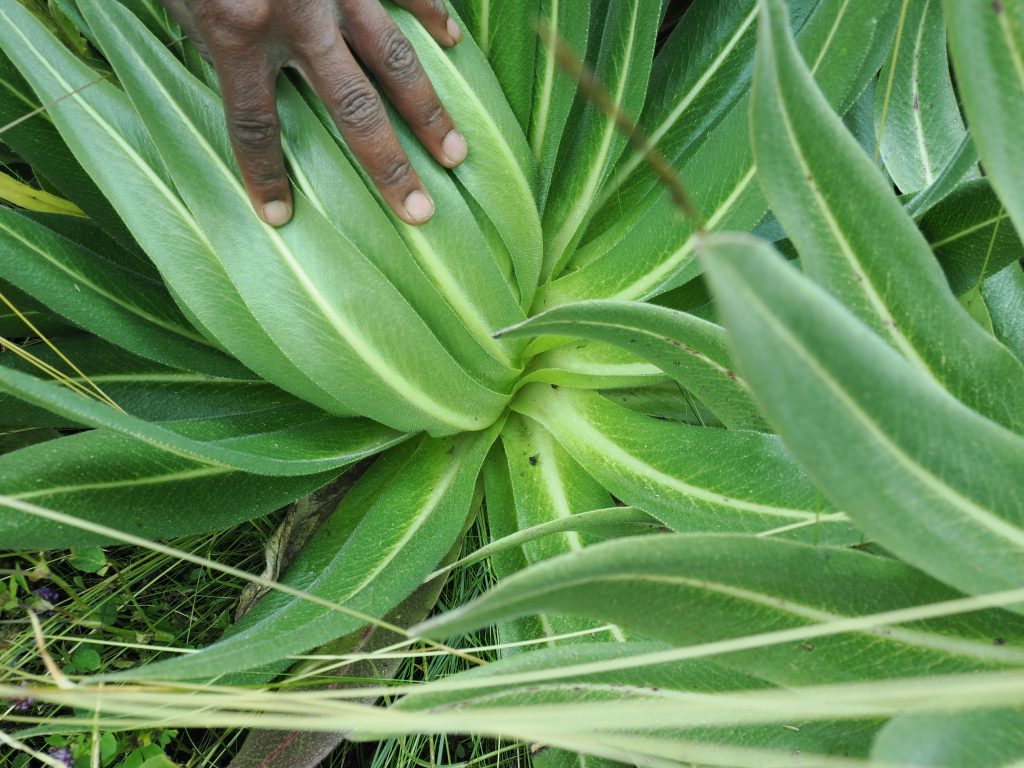
The study, African elephants putatively self-medicate with medicinal plants in the Mount Elgon region, Kenya, is authored by Fabien Schultz, Thomas O. Clark, Christopher Powles, Elodie Freymann, Rahab N. Kinyanjui, Emmanuel Ndiema, Jonathan Mbula Sila, Kandace Baez, Alicia J. M. Colson and Leif-Alexander Garbe. It was published in Scientific Reports.
The Mount Elgon Foundation (MEF) supported the study through the Mount Elgon Elephant Project (MEEP), a long-term programme focused on research, monitoring, and conservation of the mountain’s elephant population. The East African Wild Life Society (EAWLS), MEF’s principal conservation partner in Kenya, implements MEEP on the ground, working alongside local communities and government agencies. The National Museums of Kenya (NMK), a long-standing research partner on Mount Elgon, contributed botanical expertise, with plant specimens collected during the study deposited at the East African Herbarium in Nairobi for identification and preservation.