


OL KALOU, Kenya, September 14, 2026 (Swara) — A new biodiversity and socio-economic assessment of Lake Ol Bolossat has documented a wealth of previously unrecorded species, providing fresh evidence to support efforts to secure stronger protection for the threatened wetland and advance its proposed designation as Kenya’s seventh Ramsar site.
The Lake Ol Bolossat Rapid Biodiversity and Socio-economic Assessment Report, launched in Ol Kalou on Monday, records 518 plant species, 162 bird species and 278 fungal species, alongside mammals, reptiles and amphibians, invertebrates and fish.
The three-year assessment was undertaken by the East African Wild Life Society (EAWLS) in partnership with the Wangari Maathai Institute for Peace and Environmental Studies at the University of Nairobi and the Wildlife Research and Training Institute (WRTI), with funding from the JRS Biodiversity Foundation.
The findings reveal that Lake Ol Bolossat’s biodiversity is considerably richer than previously documented. Of the 518 plant species recorded, 148 were new records from the assessment, including Calceolaria tripartita and Lactuca serriola, neither of which had previously been recorded in Kenya. Three regional endemic plant species were also documented.
The fungal survey produced particularly striking results, increasing the number of known fungal species in the ecosystem from just 35 to 278. The assessment included 141 macrofungi and 25 arbuscular mycorrhizal fungi recorded for the first time in the Lake Ol Bolossat ecosystem. Among the notable discoveries was Myriostoma cf. coliforme, a species listed as Critically Endangered in Britain.
Bird surveys recorded 162 species, including 24 species of conservation concern. These comprised three endangered species, two vulnerable species and one endemic species. The surveys also recorded 20 Palearctic migrants and two intra-African migrants. Modelling suggests that more extensive surveys could eventually record between 200 and 375 bird species in the basin.
The assessment also recorded 126 hippopotamuses, reinforcing the importance of the lake as a functioning wetland ecosystem. Seven mammal species, 206 invertebrate species from 16 orders, and 17 reptile and amphibian species were recorded during the surveys.
Speaking at the launch, EAWLS Executive Director Nancy Ogonje said the assessment had significantly expanded the evidence base needed to guide conservation action.
“The results have exceeded our expectations,” Ogonje said. “The assessment has documented 518 plant species, 278 fungal species and 162 bird species, alongside mammals, reptiles and amphibians, invertebrates and fish.”
She said the findings demonstrated the importance of moving from research to practical conservation measures.
“We now have more evidence. The responsibility before us is to act on it,” Ogonje said.
Lake Ol Bolossat’s significance extends beyond its biodiversity. According to the assessment, the ecosystem supports the livelihoods of more than two million people and provides water and other ecosystem services across a wider landscape extending into Laikipia, Isiolo and Wajir counties counties.
But the report also highlights growing pressures on the wetland. Land conversion, illegal harvesting of vegetation, overgrazing, water abstraction, invasive alien species, pollution, encroachment and climate change are identified among the major threats.
The assessment found evidence of substantial changes in the lake and its surrounding habitats over the past five decades, including a marked reduction in open water and macrophyte cover and the loss of tussock and forested habitats.
Water abstraction is another concern. A socio-economic survey of 253 respondents found that 11 per cent practised irrigation, with sprinkler or overhead systems accounting for 36 per cent of irrigation systems. The report links irrigation to abstraction from rivers, springs and streams, while increased use of fertilisers and pesticides raises additional concerns about water pollution.
Spatial analysis identified approximately 12 per cent of the Lake Ol Bolossat Management Plan area as biodiversity hotspots requiring priority conservation action. Weru Ward accounts for 44 per cent of areas classified as “very hot” for biodiversity conservation, providing a basis for targeting future conservation and restoration interventions.
The assessment recommends that Lake Ol Bolossat be designated a Ramsar site, concluding that the wetland meets Ramsar Criteria 1, 2, 3 and 4. These criteria relate to the wetland’s distinctive characteristics, its support for threatened species and ecological communities, its importance for maintaining biological diversity, and its role in supporting species during critical stages of their life cycles.
The project was specifically designed to address the shortage of reliable biodiversity data needed to support the proposed Ramsar designation and guide management and policy decisions.
All biodiversity data generated through the project have been uploaded to the Global Biodiversity Information Facility (GBIF), making the information available to researchers, conservation practitioners and decision-makers.
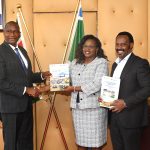
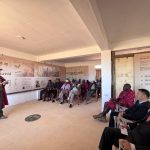
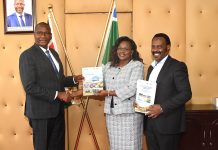
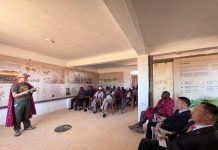
The launch was held under the theme “From Evidence to Action: Advancing the Conservation and Sustainable Management of Lake Ol Bolossat Ecosystem” and brought together about 90 representatives of national and county governments, conservation organisations, community groups, research and academic institutions, development partners and the private sector.
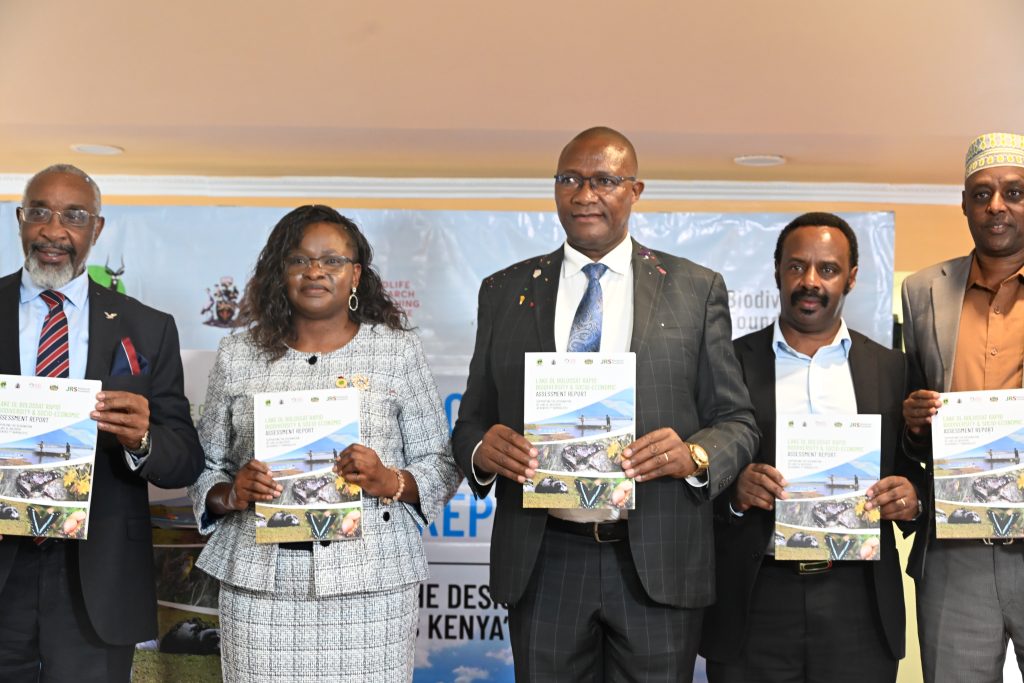
The event also presented findings from a Management Effectiveness Tracking Tool (METT) assessment and a policy brief containing recommendations for the County Government of Nyandarua and other relevant institutions.
Ogonje said the proposed Ramsar designation should be viewed as a means to strengthen conservation rather than an end in itself.
“Designation, in itself, is not the destination,” she said. “What matters ultimately is whether recognition translates into better management, stronger protection, restoration of degraded habitats, sustainable use of water and other resources, and meaningful participation by the communities who depend on this ecosystem.”
The project has also produced biodiversity posters and a Field Guide to the Birds of Lake Ol Bolossat, while supporting biodiversity monitoring and conservation awareness among local communities and schoolchildren.
The launch marks an important step in efforts to translate the expanded evidence on Lake Ol Bolossat into policy, restoration and improved management of one of Kenya’s important but increasingly threatened wetland ecosystems.