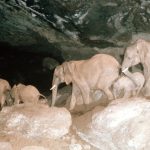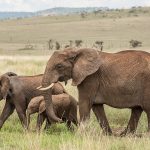







Nairobi, July 29 (Swara) – Kenya Wildlife Service (KWS) is investigating the deaths of 15 elephants recorded between 24 June and 24 July 2026 in the Amboseli ecosystem, including Amboseli National Park and the neighbouring Kimana Sanctuary and Kuku Ranch areas.
The deaths have raised concern among conservationists because several of the elephants displayed similar and unusual symptoms before dying. According to KWS, 10 elephants developed signs of partial paralysis, becoming unable to stand before dying within two days. Five others were found already dead, with their carcasses subsequently affected by scavengers. Most of the affected animals were females and calves; only one was a male.
The deaths were initially reported as 14 elephant carcasses found at different locations in and around Amboseli during June. KWS veterinary teams conducted post-mortem examinations and collected tissue samples for laboratory analysis. Early reports indicated that the animals had shown signs of illness and had been subjected to veterinary observation and treatment before they died.
Preliminary laboratory analysis has added to the mystery. Tests conducted by a University of Nairobi laboratory detected what was described as a potential toxic substance in samples from some of the elephants. However, separate testing by the Government Chemist did not detect any of the known toxins for which the samples were examined. Further laboratory investigations are therefore under way.
KWS is also investigating possible environmental sources. Authorities are analysing water sources and other potential contaminants in the affected areas to determine whether the elephants could have been exposed to a common substance. At present, there is no confirmed evidence establishing poisoning as the cause of death, and no particular toxin has been identified.
The concentration of deaths among females and calves is particularly concerning because Amboseli is internationally recognised for its elephant population and long-running research into elephant social groups and movements. The wider Amboseli ecosystem extends well beyond the national park, with elephants moving through community lands, conservancies and wildlife corridors linking the park with areas including Kimana, Kuku, the Chyulu Hills and Tsavo.
The deaths also come after the loss earlier this year of Craig, one of Amboseli’s best-known super-tuskers, who died of natural causes in January. In July, another iconic elephant, One Ton, died in the Chyulu Hills at an estimated 50–60 years of age. Preliminary assessments found no signs of injury or human interference in One Ton’s death, making it unrelated to the current cluster under investigation.
KWS has sought to reassure the public that there is currently no evidence that the condition affecting the elephants is transmissible to humans. Investigations continue as veterinary and environmental samples undergo further analysis.
For now, the central question remains unanswered: what caused so many elephants to become paralysed and die within a relatively short period? The results of the ongoing laboratory and environmental investigations will be critical to determining whether the deaths resulted from a toxin, disease, environmental contamination or another cause.